
Blood pressure is the force exerted by blood against the walls of the vessels in which it is contained. It usually refers to the pressure of blood on the arterial wall.
Blood pressure is recorded as two numbers:
SYSTOLIC BLOOD PRESSURE (The upper number)
It is the highest degree of force exerted by blood on the arterial wall when the heart beats.
The normal range of systolic B.P. is 110 mm of Hg – 140 mm of Hg.
DIASTOLIC BLOOD PRESSURE (The lower number)
It is the lowest degree of force exerted by blood on the arterial wall when the heart is resting between beats. The normal range of diastolic B.P. is 70 mm of Hg – 90 mm of Hg.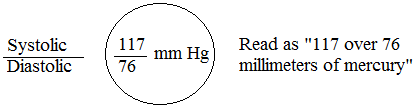
HIGH BLOOD PRESSURE
High blood pressure has been one of the common diseases for this century. Our sedentary lifestyle and junk food is one of the major reasons for this. Regular exercise and dietary modification is necessary to maintain our blood pressure, it will help to control pressure in its early phase. Basically, blood pressure can be categorized in following ways.
NORMAL BLOOD PRESSURE
It is normal blood pressure when blood pressure numbers are within normal range of 120/80 mm Hg. We need to keep up the good work and stick with heart-healthy habits like following a balanced diet and getting regular exercise to maintain our pressure within normal range.
PREHYPERTENSION (EARLY STAGE HIGH BLOOD PRESSURE)
Prehypertension is when blood pressure is consistently ranging from 140-133/80-89 mm Hg. People with prehypertnsion are likely to develop blood pressure unless steps are taken to control it.
HYPERTENSION STAGE 1
It is when blood pressure is consistently ranging from 140-159/90-99 mm Hg. At this stage of high blood pressure, doctors are likely to prescribe lifestyle changes and may consider adding blood pressure medication.
HYPERTENSION STAGE 2
It is when blood pressure is consistently ranging at levels greater than 160/100 mm Hg. At this stage of high blood pressure, doctors are likely to prescribe a combination of blood pressure medications along with lifestyle changes.
HYPERTENSIVE CRISIS
This is when high blood pressure required emergency medical attention. If blood pressure is higher than 180/110 mm Hg. But without symptoms such as chest pain, shortness of breath, back pain numbness/weakness, changes in vision or difficulty speaking, it is necessary to take blood pressure again after 5 minutes. If the reading is still at or above that level, get medical help immediately.
WHICH NUMBER IS MORE IMPORTANT (SYSTOLIC OR SIASTOLIC)?
Typically, more attentions is given to systolic blood pressure (the top number) as a major risk factor for cardiovascular disease for people over 50. In most people, systolic blood pressure rises steadily with age due to the increasing stiffness of large arteries, long-term build-up of plaque and an increased incidence of cardiac and vascular disease.
However, elevated systolic or diastolic blood pressure may be used to make a diagnosis of high blood pressure. And, according to recent studies, the risk of death from ischemic heart disease and stroke doubles with every 20 mm Hg systolic or 10 mm Hg diastolic increase among people from age 40 to 89.

Smriti kandel
Class - 10